
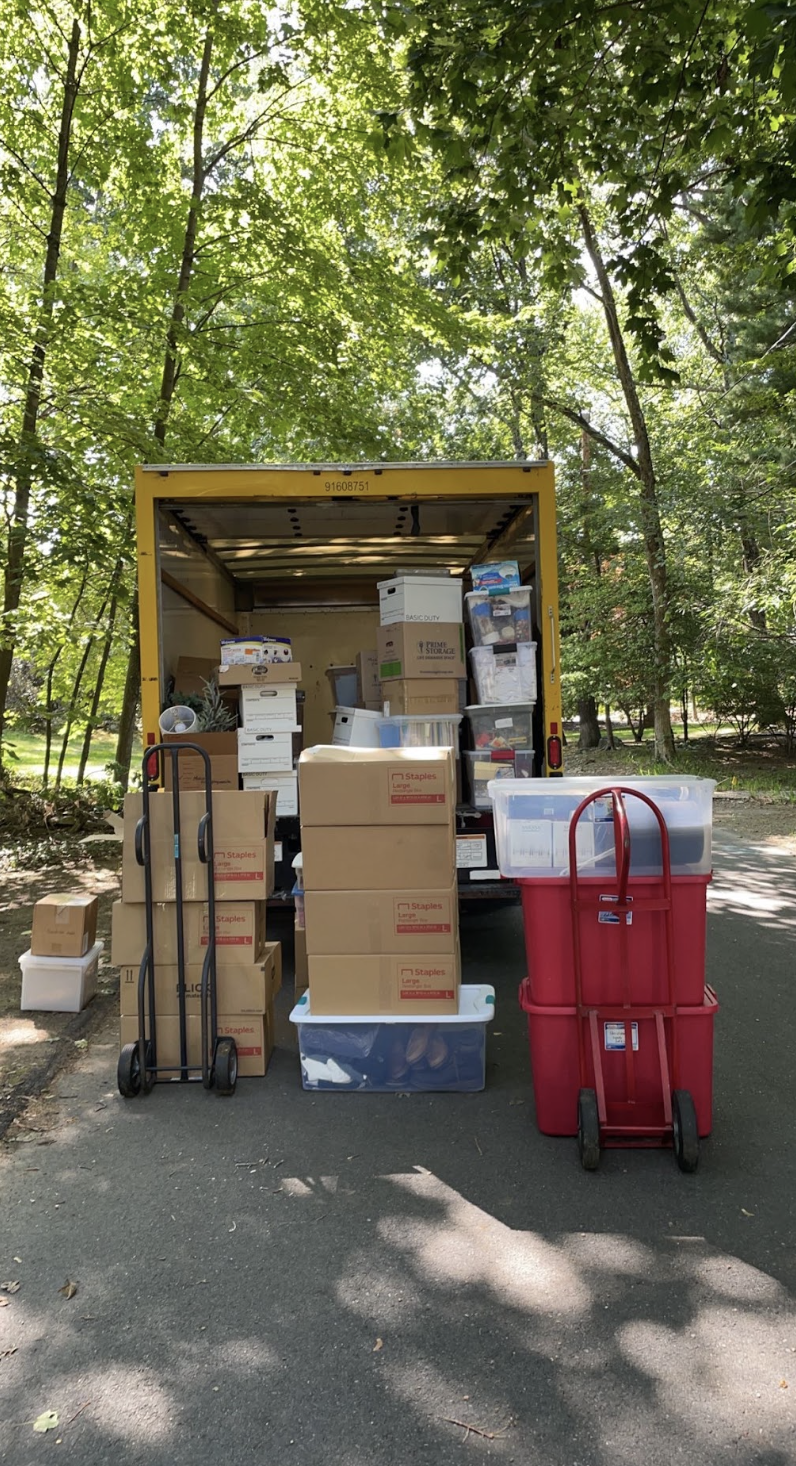
Assisting your elderly parents with downsizing and making them move to a smaller house may be difficult and emotionally challenging. You will be packing away the decades of accumulated furniture, pictures, paperwork, heirlooms, and possessions as your parents cope with leaving their longtime residence.
The good preparation plan allows you and your family to make necessary decisions without packing years’ worth of items in just several days. The following guide provides you with advice on how to begin a discussion, organize the process of moving, manage unnecessary items, prepare for moving day, and when to hire some help.
Start With a Conversation, Not a Packing Box
Before sorting closets or ordering supplies, talk with your parent about what they want from the move. The goal is to create a plan with them rather than making every decision for them.
Giving your parent a voice in the process can make the transition feel less rushed and help the family understand what matters most.
Discuss New Home Benefits
Help your parent focus on what the new home can make easier in daily life. A smaller space may mean less upkeep, fewer stairs, easier access to important rooms, or being closer to family and services.
Keep the conversation practical and positive. Talking about comfort, convenience, and familiar routines can make the move feel more manageable and give your parent something clear to look forward to.
Assess Care Needs Realistically
Before the move, think about the level of support your parent may need now and in the near future. Consider mobility, medication routines, meal preparation, transportation, and how easily they can move through the new home.
The goal is to choose a living setup that supports daily independence without ignoring areas where extra help may be useful. Addressing these needs early can prevent rushed changes after the move.
Talk About the Reason for the Move
Families downsize for many reasons. A large home may require too much upkeep, stairs may become difficult to manage, or a parent may simply want to live closer to family.
Start by discussing what the new living situation should provide. You might ask:
- Which belongings make the new place feel like home?
- What furniture is used every day?
- Are there rooms or items your parent rarely uses anymore?
- Will the new home have stairs, storage, or accessibility limits?
- Are there belongings they want to give to family members?
These conversations give you a clearer starting point before anything leaves the house.
Give the Process Enough Time
Trying to sort decades of belongings over one weekend can quickly become exhausting. When possible, spread the work across several weeks.
Short sorting sessions are often easier than full-day cleanouts. You might work through one room, closet, or category at a time and stop before everyone becomes tired or frustrated.
Build a Senior Downsizing Plan Before You Start Sorting
A written plan helps family members understand what needs to happen and who is responsible for each task. It also reduces duplicated work when several relatives are helping.
For many families, senior downsizing becomes easier when the move is broken into smaller steps with realistic deadlines.
Assign Moving Tasks
When several family members are helping, give each person a clear responsibility. One person might handle paperwork, another can organize donations, while someone else manages packing or communicates with movers.
Clear roles reduce repeated work and make it easier to track progress. Assigning deadlines to larger tasks can also keep the process on track without placing too much responsibility on one person.
Manage Healthcare Logistics
Keep healthcare needs organized before moving day. Refill prescriptions when needed, gather medical information, and keep medications, insurance details, and important contact numbers in one accessible place.
The National Institute on Aging also provides caregiver worksheets that can help families organize medications, important documents, and shared caregiving responsibilities.
If the move involves changing doctors or pharmacies, handle those arrangements ahead of time. Confirm that prescriptions, medical records, and important provider contact details are accessible before moving day. Keeping these details separate from packed household items helps your parent maintain their normal care routine during the transition.
Create an Aging Parents Moving Checklist
An aging parents moving checklist can keep the process organized from the first conversation through moving day. Your checklist does not need to be complicated.
Consider including:
- Confirm the move-out and move-in dates.
- Measure rooms and doorways in the new home.
- Decide which large furniture pieces will move.
- Sort belongings room by room.
- Identify items for family members.
- Set aside donations and items to sell.
- Arrange removal of unwanted furniture or household goods.
- Update addresses and important accounts.
- Transfer utilities and services.
- Pack medications, documents, and daily necessities separately.
- Schedule movers and cleanout services if needed.
When updating addresses, use the official USPS Change of Address tool and remember to update banks, insurers, healthcare providers, and other important accounts separately.
Assigning names and target dates to larger tasks can also prevent one family member from carrying most of the workload.
Make the Timeline Flexible
Some decisions take longer than expected, especially when sentimental items are involved.
Leave extra time between sorting, packing, cleanout, and moving day. A little breathing room gives your parent time to think through decisions without feeling pressured to answer immediately.
Decide What Will Move to the New Home
The size and layout of the new home should guide many of your decisions. Bringing too much furniture can make a smaller space difficult to use, while removing too much can leave your parent without familiar comforts.
If your parent has large or bulky pieces, this guide to moving heavy furniture can help you decide what your family can handle and when professional support may make more sense.
Focus first on the items that support daily routines and make the new space comfortable.
Measure Before Choosing Furniture
Measure bedrooms, living areas, hallways, elevators, stairways, and entry doors before deciding what will move.
Then compare those measurements with larger items such as:
- Beds and bedroom furniture
- Sofas and chairs
- Dining tables
- Dressers
- Desks
- Bookcases
- Mobility equipment
A favorite sofa may fit inside the new living room but still be too wide for a doorway or stairwell. Checking measurements early can prevent difficult decisions on moving day.
Use Simple Sorting Categories
One of the easiest ways to organize belongings is to give every item a clear destination.
Try these categories:
Move: Items your parent needs or wants in the new home.
Give to family: Furniture, heirlooms, photos, or household items relatives have agreed to take.
Donate: Usable belongings that no longer fit the new space.
Sell: Items with enough value to make selling worthwhile.
Store: Belongings your family wants to keep but cannot place immediately.
Remove: Damaged, broken, or unwanted items that cannot be donated.
Using consistent categories keeps belongings from drifting from one pile to another without a final decision.
Handle Sentimental Belongings With Patience
Photos, letters, collections, and family keepsakes often take longer to sort than everyday household goods. These items carry personal history, so rushing through them can make the move harder for everyone.
Set aside extra time for these categories and focus on preserving meaning rather than keeping everything.
Reduce the Volume Without Losing the Memories
You do not always need to keep an entire collection to preserve its importance.
A parent might choose a few favorite items from a larger group. Families can also photograph collections, scan important documents, or create albums that take up less physical space.
For family keepsakes, ask relatives what they genuinely want before assigning items to them. Clear decisions early can prevent boxes from sitting in storage without a long-term plan.
Prepare the Home Before Moving Day
Once the family knows what is moving, packing becomes much easier. The focus shifts from making decisions to preparing belongings for safe transportation.
When downsizing a home before moving, start with rooms and storage areas that are used the least. Daily essentials should stay accessible until the final days.
Pack in a Practical Order
A simple packing sequence might look like this:
- Attic, basement, and garage items
- Seasonal clothing and decorations
- Books, artwork, and collections
- Guest rooms and spare furniture
- Kitchen items that are rarely used
- Everyday belongings
- Medications, documents, and personal essentials
Clearly label boxes with the room and basic contents. Labels such as “Kitchen – Everyday Dishes” are far more useful than simply writing “Kitchen.”
Protect Important Items Separately
Some belongings should stay with your parent or a trusted family member instead of going on the moving truck.
Keep these together:
- Prescription medications
- Identification
- Financial documents
- Medical information
- Keys
- Phones and chargers
- Jewelry
- Family records
- A change of clothing
- Basic toiletries
Having these items nearby can make the first few days much easier.
Plan the Cleanout Before the House Is Empty
Moving the belongings your parent wants to keep is only part of the project. Furniture, old appliances, stored boxes, and unwanted household goods may still remain after packing is complete.
Early estate cleanout planning helps your family decide what happens to those items before moving day arrives.
Work Through One Area at a Time
Basements, garages, sheds, and attics often take longer because items may have accumulated there for years.
Start these areas early rather than leaving them for the final weekend. Separate usable items from damaged or unwanted belongings as you go.
You may also need to coordinate:
- Donation pickups
- Furniture removal
- Recycling
- Disposal of unwanted household items
- Storage
- Cleaning before selling or returning the property
Having a plan for each category prevents unwanted items from becoming a last-minute problem.
Coordinate the Cleanout With Moving Day
Plan the cleanout around packing and loading so unwanted belongings are removed before movers need clear access to the home. This is especially helpful when basements, garages, or large pieces of furniture need attention.
If the property must be empty by a firm date, schedule cleanout and moving services early so one part of the process does not delay the next.
If you are starting to plan the move and want to understand your options, you can contact Mighty Movers at +1 978-793-6165 for a FREE quote and discuss the moving or cleanout help your family may need.
Make Moving Day Comfortable for Your Parent
Moving day can feel tiring even when everything is well organized. Try to keep your parent’s responsibilities light so they can focus on the transition rather than managing every detail.
A familiar routine and easy access to everyday items can make the first night in the new home feel much calmer.
Arrange Transportation Carefully
Plan how your parent will travel to the new home separately from how their belongings are moved. A family member or trusted person should stay with them when possible, especially during a longer trip.
Keep medications, mobility aids, documents, snacks, and personal essentials within easy reach. Coordinating arrival time can also help your parent avoid waiting while furniture is being unloaded or essential rooms are being prepared.
Prepare a First-Night Box
Pack one clearly marked box or bag that stays easy to reach.
Include:
- Bedding and pajamas
- Toiletries
- Towels
- Medications
- Phone chargers
- Snacks and bottled water
- Coffee or tea supplies
- Basic dishes
- Toilet paper
- Comfortable clothing
You may also want to include a familiar photograph, blanket, or small decorative item that helps the new space feel personal right away.
Set Up Essential Rooms First
You do not need to unpack the entire home on day one.
Focus on:
- The bedroom
- The bathroom
- A comfortable sitting area
- Basic kitchen supplies
Getting these spaces ready first allows your parent to rest while the remaining boxes are handled over time.
Common Downsizing Mistakes Families Can Avoid
Even well-meaning families can make the process harder by trying to move too quickly. A few simple adjustments can prevent unnecessary stress.
- Starting too late: Give yourself time for sorting, donations, packing, and unexpected delays.
- Making decisions without your parent: Include them whenever possible, especially with personal or sentimental belongings.
- Moving furniture without measuring: Confirm that large pieces fit the new home before paying to transport them.
- Keeping everything “for now”: Temporary piles and storage can quickly become permanent. Give each item a clear destination.
- Leaving the cleanout until the end: Start unwanted-item removal early, particularly in garages, basements, and attics.
- Trying to do everything in one day: Smaller sessions usually lead to better decisions and less exhaustion.
When Professional Moving and Cleanout Help Makes Sense
There is no single point when a family must hire help. The right decision depends on your timeline, the amount of furniture involved, the condition of the home, and how much support relatives can realistically provide.
Professional assistance may be worth considering when heavy lifting, transportation, furniture removal, or clearing the property becomes difficult to manage safely.
It can also help when several services need to happen close together. Coordinating the move, removal of unwanted items, and final property cleanout under a clear schedule can make the transition easier for everyone involved.
Frequently Asked Questions About Helping Aging Parents Downsize
Families often have similar questions when preparing a parent for a smaller home. Thinking through these issues early can help you build a realistic plan.
How far in advance should we start downsizing?
Start as early as your family’s situation allows. Homes with decades of belongings often require several sorting sessions, particularly when family members need time to decide what they want to keep.
What room should we start with?
Begin with a lower-emotion space such as a guest room, garage, or storage closet. Starting with highly sentimental belongings can slow progress before your family has developed a sorting routine.
What should we do with furniture that will not fit?
Consider offering it to relatives, donating usable pieces, selling higher-value items, or arranging removal. Decide early so unwanted furniture does not interfere with packing and loading.
Should we rent storage during the move?
Storage can be useful when the new home is not ready or the family needs additional time to make decisions. However, it helps to set a review date so temporary storage does not become an open-ended expense.
How can siblings divide the work fairly?
Assign specific responsibilities instead of asking everyone to “help.” One person might manage paperwork, another donations, another packing, and another coordinate with movers. Clear roles reduce confusion and repeated work.
Final Thoughts: Give Your Family Time to Make the Move Well
Helping an aging parent move into a smaller home is easier when the family starts early, communicates openly, and works through the process one decision at a time. Begin with the new home’s space and your parent’s daily needs, then create a clear plan for what will move, what will stay with family, and what needs to leave the property.
You do not have to handle every box, heavy piece of furniture, and unwanted household item on your own. Mighty Movers can help you coordinate moving and cleanout needs so your family can spend more time supporting your parent through the transition.
When your family is ready to start planning, call +1 978-793-6165 to request a FREE quote. Booking early gives you more time to organize the move around your family’s schedule and take the next steps without unnecessary pressure.