
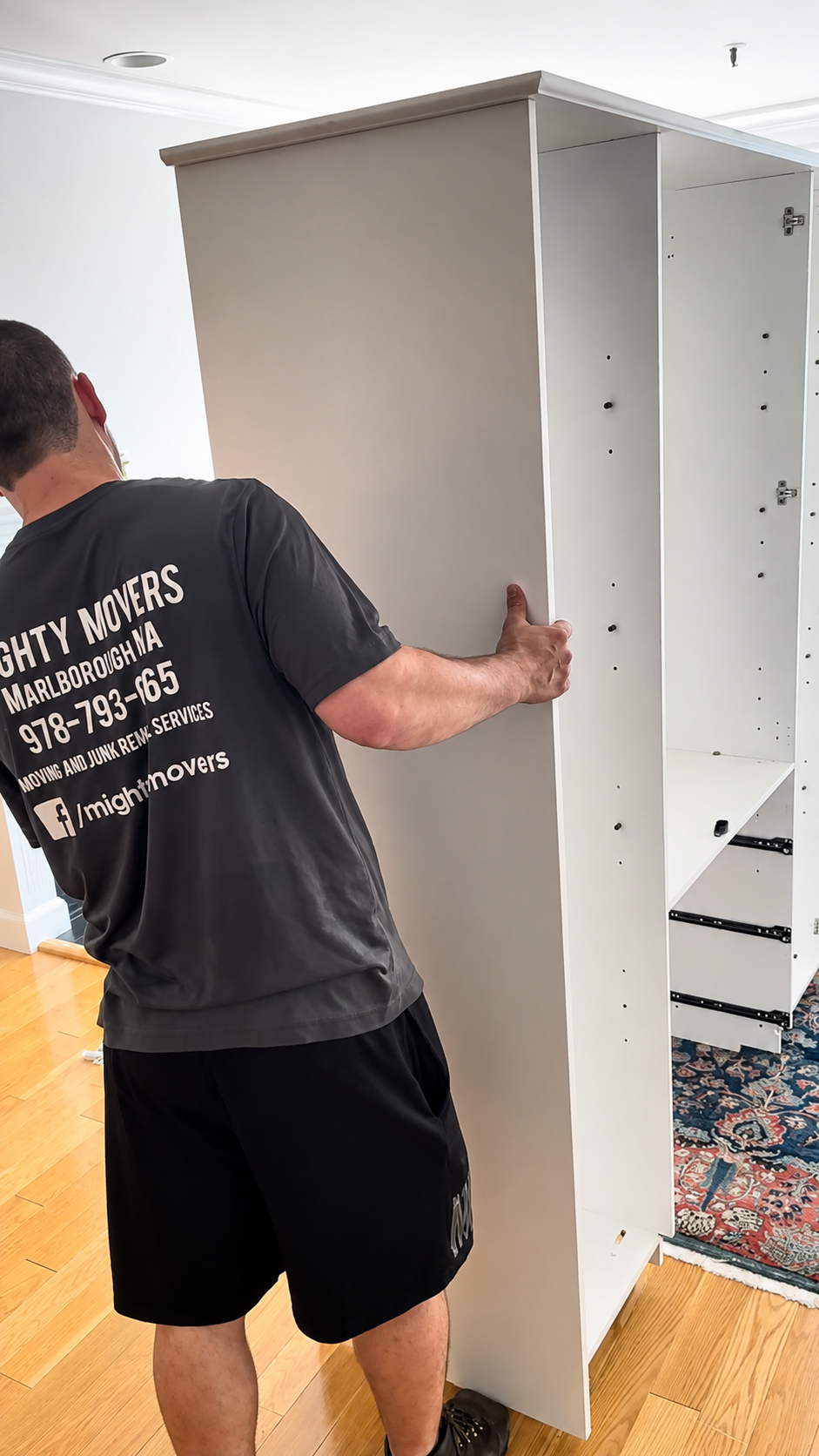
Moving into an apartment with your buddies could help you reduce the cost of rent and give you a familiar feel right away. But it might also cause some confusion due to a number of factors such as having a few individuals from various addresses, carrying double items, and working at various hours of the day.
For a hassle-free move-in process with your roommates, there are certain factors that should be addressed. The following document will shed light on these factors.
Talk Through the Move Before You Start Packing
A group chat is helpful, but it should not be the only place where important decisions are made. Set aside time for one planning conversation where everyone can confirm the details together.
Write down the final decisions so people are not relying on different versions of the same conversation.
Build a Shared Move-In Timeline
Create one shared timeline that covers packing, pickups, utility setup, key collection, and arrival times. Include each roommate’s responsibilities and give larger tasks a clear deadline.
Work backward from the lease start date and leave extra time for traffic, building access, or delayed furniture. A shared calendar can help everyone see changes without relying on separate messages.
Confirm Each Person’s Move-In Details
Start by gathering basic information from every roommate:
- Current pickup address
- Preferred moving date and arrival time
- Number of boxes and large items
- Stairs, elevators, or narrow entryways at each location
- Parking limits near the old and new homes
- Work, school, or travel conflicts
- Items that may need disassembly
This is especially helpful when roommates are moving from different addresses across Boston, MetroWest, and nearby communities. Multiple pickup locations can add time, so the route should be planned before moving day.
Decide Who Will Be at the Apartment First
Someone should be available at the new apartment before the first boxes arrive. That person can confirm access, meet the landlord or property manager, open doors, and direct furniture to the right rooms.
Avoid having everyone arrive at once with separate cars and no parking plan. A staggered schedule may work better in busy neighborhoods or buildings with limited loading space.
Decide What Everyone Is Bringing
Duplicate furniture and kitchen items are common when several households combine. Sorting those details early keeps the apartment from filling up with items no one needs.
One of the most useful roommate moving tips is to create a shared inventory before anyone packs large belongings.
Make a Shared Furniture List
Create a simple list of what each person owns and plans to bring. Include:
- Sofas and chairs
- Dining tables
- Desks
- Televisions
- Coffee tables
- Microwaves and small appliances
- Kitchenware
- Cleaning supplies
- Storage shelves
- Lamps
- Rugs
Compare the list with the apartment layout. Two sofas may fit on paper but leave little room to walk comfortably.
Measure larger furniture and check doorways, staircases, hallways, and elevators. A desk that fits inside a bedroom may still be too wide for the building entrance.
Plan Work and Study Areas
Roommates who work remotely or attend school should decide where desks will go before moving furniture. Consider lighting, electrical outlets, internet access, privacy, and noise from shared rooms. Agreeing on basic quiet times can prevent work calls, classes, and study sessions from causing daily conflict.
Agree on What Stays and What Goes
When two roommates own the same item, use practical questions to decide which one to bring:
- Which item is in better condition?
- Which one fits the apartment?
- Is either item easier to transport?
- Who wants to keep ownership?
- What happens to the extra item?
Do not assume someone will sell, donate, or remove furniture after the move. Make that decision before the truck is loaded.
If your group is unsure about handling a sofa, bed, or shelving unit, this guide to moving oversized furniture can help you compare DIY work with professional assistance.
Plan Closet and Shared Storage
Measure closets, cabinets, and other storage areas before buying organizers. Agree on how shared storage will be divided, then use labeled bins, hooks, or under-bed containers where they fit. Waiting until you know the apartment’s actual dimensions can prevent unnecessary purchases.
Label Personal and Shared Items
Use labels that identify both the destination and the owner.
For example:
- “Alex — Bedroom 1 — Books”
- “Shared Kitchen — Pots”
- “Jordan — Living Room — Floor Lamp”
Clear labels help movers place boxes correctly and reduce confusion when several people own similar items.
Create a Shared Apartment Move Checklist
A written checklist helps everyone see what has been completed and what still needs attention. It also prevents one roommate from becoming the unofficial project manager.
Your shared apartment move checklist should include tasks for the old homes, new apartment, utilities, and moving day.
Organizing Your Moving Folder
Keep the lease, moving estimate, payment agreement, building contacts, elevator reservation, utility confirmations, and move-in photos in one shared digital folder. Give every roommate access and assign one person to keep the information updated.
Before Moving Day
Assign people to handle:
- Building access and keys
- Elevator reservations
- Parking or loading arrangements
- Utility setup
- Internet installation
- Furniture measurements
- Packing shared supplies
- Cleaning the apartment
- Buying basic household items
- Confirming the moving schedule
Use names and deadlines rather than writing “someone needs to do this.” Clear ownership makes follow-through easier.
At the New Apartment
Confirm these details before boxes arrive:
- The correct unit number
- Working keys or entry codes
- Clear hallways and doorways
- Room assignments
- Furniture placement
- Building rules for moving
- A protected path for floors and walls
- Space for boxes that cannot be unpacked immediately
Take photos of the apartment before moving furniture inside. Document existing marks, damage, or maintenance issues and share them with the landlord or property manager as needed.
Plan How to Split Moving Costs
Money can create tension quickly when roommates have different amounts of furniture or live at different pickup addresses. Agree on the method before booking any service.
The question of how to split moving costs has no single correct answer. The fairest option depends on the work involved.
Split Everything Equally
An equal split may work when:
- Everyone has a similar amount of belongings
- Pickup locations are close together
- Furniture sizes are comparable
- Everyone is moving on the same day
This approach is simple, but it may feel unfair if one person has a furnished apartment and another has only a few boxes.
Divide Costs Based on Each Person’s Move
Another option is to estimate each roommate’s portion based on:
- Number of boxes
- Large furniture pieces
- Distance from the new apartment
- Stairs or long carrying distances
- Extra pickup time
- Packing or disassembly needs
You can split shared expenses, such as travel to the final apartment, while assigning extra pickup costs to the roommate who needs them.
Put the Agreement in Writing
A short written agreement prevents misunderstandings later. It can be as simple as a message confirming:
- Total estimate
- Expected payment from each roommate
- Deposit responsibilities
- Who will pay the movers
- When reimbursements are due
- How added time or services will be handled
The goal is not to make the arrangement formal or uncomfortable. It is to make sure everyone understands the same plan.
Prepare for Boston and MetroWest Moving Conditions
Apartment moves in Boston and MetroWest can involve narrow streets, older buildings, stairs, shared entrances, and limited places to park. Planning around the property matters as much as packing correctly.
Check the rules for both the pickup locations and the new apartment rather than assuming every building works the same way.
Review the Lease and Building Rules
Read the lease and building policies before moving day. Confirm who is listed as a tenant, how rent and utilities will be handled, and which rules apply to guests, pets, keys, shared spaces, and move-in hours.
Before signing, review the state’s guidance on Massachusetts landlord and tenant rights, including leases, deposits, fees, maintenance responsibilities, and rental agreements.
Roommates should also understand what happens if one person leaves before the lease ends. For legal questions about deposits, fees, tenancy terms, or repairs, use official state or city resources or speak with a qualified housing professional.
Confirm Parking and Building Access
Ask the landlord, property manager, or building staff:
- Where can the moving vehicle stop?
- Is a loading area available?
- Does the building require advance notice?
- Are there set moving hours?
- Must an elevator be reserved?
- Are there limits on weekends or evenings?
- Which entrance should movers use?
For Boston addresses, check the city’s official moving-truck permit guidance before choosing a loading area. MetroWest cities and towns may follow different parking or street-occupancy procedures, so review the appropriate municipal website early.
Check Stairs, Elevators, and Entryways
Share access details with your movers before the appointment. A third-floor walk-up requires a different plan than a building with a reserved freight elevator.
Mention:
- Number of staircases
- Elevator size
- Long hallways
- Tight corners
- Low ceilings
- Basement or rear entrances
- Long distance from parking to the door
Accurate information helps the moving team plan time, crew size, and equipment more effectively.
Build in Extra Time
Roommate moves often take longer because they involve several schedules and pickup points. Avoid placing a hard deadline immediately after the move.
Leave room for traffic, building access delays, furniture disassembly, and last-minute questions about where belongings should go.
Protect the Friendship With Clear Boundaries
Moving in with friends changes the relationship. You are no longer meeting for dinner or spending a few hours together. You are sharing bills, common areas, noise, cleaning, and household decisions.
Discussing expectations before move-in can prevent small frustrations from becoming larger arguments.
Decide Who Owns Shared Purchases
Before buying furniture or appliances together, decide what happens when someone moves out.
Keep a record of:
- Who paid
- How much each person contributed
- Who owns the item
- How a future buyout would work
- What happens if the item is damaged
For low-cost items, an informal agreement may be enough. Larger purchases deserve a clearer plan.
Set Rules for Shared Spaces
Talk about daily habits before the apartment fills with boxes.
Useful topics include:
- Cleaning responsibilities
- Guests and overnight visitors
- Quiet hours
- Food sharing
- Pet care
- Use of common furniture
- Storage space
- Packages and deliveries
- Temperature settings
- Shared household purchases
You do not need a long list of strict rules. A few clear expectations can reduce avoidable conflict.
Handling Service Requests Efficiently
Agree on who will report repairs or maintenance problems to the landlord or property manager. Keep photos, dates, and written responses together so everyone can track the request without sending duplicate or conflicting messages.
Pack for a Multi-Person Move
Packing by room is useful, but packing by owner is equally important in a shared apartment. The right labels make unloading faster and keep personal belongings from being mixed together.
Use sturdy boxes and avoid packing several people’s possessions in the same container.
Use a Simple Labeling System
Write the following on at least two sides of every box:
- Owner’s name
- Destination room
- General contents
- Fragile or priority note
A label such as “Taylor — Bedroom 2 — Desk Supplies — Open First” gives far more direction than “Miscellaneous.”
Keep Important Items With You
Each roommate should carry a personal essentials bag containing:
- Keys
- Identification
- Medications
- Laptop and chargers
- Lease documents
- Wallet
- Change of clothing
- Toiletries
- Basic bedding
- Work or school supplies
Do not place these items in a shared box or moving vehicle where they may be hard to reach.
Prepare One Shared First-Night Box
The apartment should also have one shared box for immediate household needs.
Include:
- Toilet paper
- Paper towels
- Trash bags
- Hand soap
- Cleaning wipes
- Basic tools
- Phone chargers
- Bottled water
- Snacks
- Disposable plates or basic dishes
- Shower curtain, if needed
This box can save everyone from searching through separate bedrooms after a long day.
Decide When Professional Movers Make Sense
Some roommate groups can manage a small move with personal vehicles. Others have several pickup addresses, large furniture, stairs, or strict building schedules that make professional support more practical.
Compare the cost of hiring movers with the time, vehicles, equipment, and physical work the group would otherwise need to manage.
Professional help may be useful when:
- Roommates are arriving from different addresses
- The apartment has stairs or difficult access
- Large furniture needs disassembly
- Parking time is limited
- Everyone has work or school commitments
- The group lacks a suitable vehicle
- Moving dates need close coordination
Ask for an estimate that clearly reflects all pickup points, access conditions, and larger items. Accurate information gives the moving company a better basis for planning the job.
If your group is still comparing options, call Mighty Movers at +1 978-793-6165 for a FREE quote. Explain how many roommates are moving, where each pickup is located, and what large items need transportation.
Common Roommate Moving Mistakes
Most problems come from unclear decisions rather than the boxes themselves. A quick review before moving day can prevent common setbacks.
- Booking before confirming everyone’s schedule
- Bringing furniture without checking measurements
- Ignoring parking, elevator, or building rules
- Dividing expenses without a written agreement
- Using box labels that do not identify the owner and room
Frequently Asked Questions About Roommate Moves
A shared move has more people and decisions than a typical one-person apartment move. Clear answers before moving day help the group stay organized.
Should All Roommates Move In on the Same Day?
Not always. Moving on the same day can simplify utility setup and shared furniture placement, but it may create congestion. Staggered arrival times can work better in smaller apartments or buildings with limited elevator access.
How Should We Handle Multiple Pickup Locations?
List every pickup address when requesting a moving estimate. Include access details, large items, and the approximate number of boxes at each location. Plan the route so belongings are loaded in an order that supports efficient unloading.
Do We Need a Moving-Truck Permit in Boston?
A permit may be useful when you need to reserve legal street space for a moving truck. Check the City of Boston’s current application requirements, eligible vehicle types, timelines, and location restrictions before moving day.
Should We Buy Shared Items Before Moving In?
Buy only what you know the apartment needs. Waiting until everyone sees the available space can prevent unnecessary purchases and make it easier to choose items that fit.
Final Thoughts: Start With One Shared Plan
A successful roommate move depends on clear decisions about schedules, furniture, money, access, and household responsibilities. Create one shared plan, assign each task to a specific person, and confirm the details before anyone starts loading boxes.
Mighty Movers can help coordinate apartment moves with multiple pickup locations throughout Boston and MetroWest. Call +1 978-793-6165 to request a FREE quote and share your addresses, access details, and moving timeline. Planning early gives your group more scheduling options and enough time to coordinate each pickup without unnecessary pressure.